Everything You Need to Know About Smarter Loan Choices
A Clear and Confident Start to Your Finance Journey
Making decisions about loans and property finance can be overwhelming, especially with the numerous products, lenders, and regulations to consider. Our role at Garden Finance is to simplify the process by providing clear, reliable information and guidance to help you understand your options.
The information on this page is general in nature and does not take into account your personal financial situation, objectives, or needs. We recommend seeking tailored advice before making any financial decisions.

Refinancing Your Home Loan
Refinancing involves reviewing your existing mortgage and potentially switching to a different lender or loan product that better suits your current circumstances. People refinance for various reasons, including accessing a more competitive interest rate, adjusting loan terms, consolidating debts, or improving their cash flow.
A well-structured refinance can reduce interest over the life of the loan; however, it’s essential to consider fees, exit costs, and long-term implications before making a change.
First Home Buyer
Buying your first home is a major milestone and often one of the most significant financial decisions you’ll ever make. From understanding property purchase deposits and government incentives to navigating loan approvals and settlements, the process can be complex and intricate. We help first-time home buyers understand the steps involved, the types of loans available, and how to prepare financially so you can approach home ownership with clarity.


Investment Property Loans
Property investment requires careful planning and the right loan structure to support your long-term strategy. Remember, investment loans differ from owner-occupied loans in terms of rates, lending criteria, and tax considerations. Understanding how repayments, equity, and cash flow work together is essential for building a sustainable portfolio.
Owner-Occupier Home Loans
Owning and living in your own home is a goal that many Australians strive for. Owner-occupier loans are designed for people who intend to live in the property they are purchasing. These loans often come with more competitive interest rates and a wide range of features. Choosing the right loan structure can help you reduce interest costs and pay off your mortgage sooner.


Bridging Loans
A bridging loan, also known as a relocation loan, can help when you are buying a new property before selling your current one. This type of lending product provides temporary funding, so you don’t have to align settlement dates perfectly. While bridging finance can offer flexibility, it is typically short-term and requires careful planning to manage repayment obligations during the transition period.
Construction Loans
Construction loans work differently from standard home loans. Funds are released in stages as construction progresses rather than as a single lump sum. This structure requires additional documentation, such as building contracts and progress reports. Understanding how progress payments and interest calculations work is essential when planning a build.


Self-Managed Super Fund (SMSF) Loans
SMSF loans enable eligible borrowers to purchase investment properties through their self-managed super funds. These loans are subject to strict legal and lending requirements, including limited recourse borrowing arrangements. Returns from the property are reinvested in the super fund, supporting long-term retirement strategies. That said, professional advice is critical when considering SMSF lending.
Offset Accounts and Redraw Facilities
An offset account is linked to your home loan and can reduce the interest you pay by offsetting the loan balance with your savings. A redraw facility allows you to access extra repayments you have made over time. While both features can offer flexibility, they work differently and suit different financial habits and goals.


Redraw
Redraw facilities allow you to deposit spare income into your home loan account, allowing you to redraw a sum equal to the extra repayment amounts in the future. In the meantime, the extra money paid will lower the amount of interest charged, while still giving you access to your money.
Loan to Value Ratio
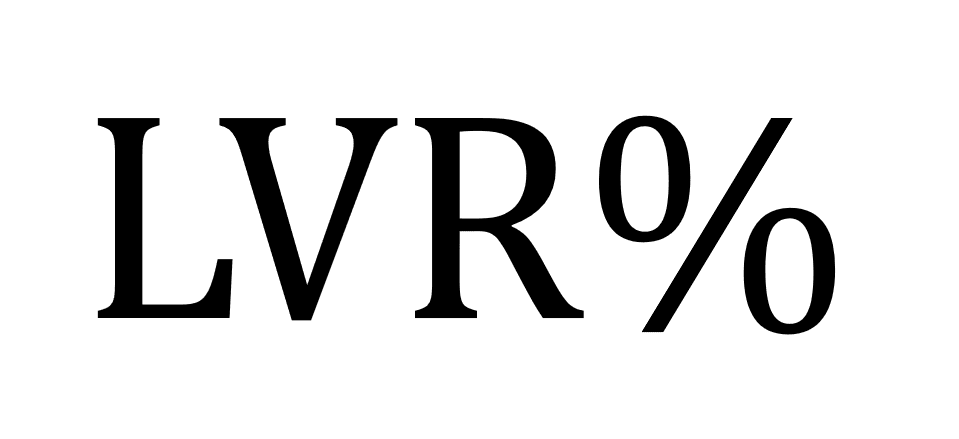
The loan-to-value ratio, or LVR, is the percentage of a property’s value that is being borrowed. LVR affects how much deposit you need, whether lenders’ mortgage insurance applies, and which loan products may be available. A lower LVR generally means lower risk for lenders and more favourable loan terms.

Interest Rates: Variable and Fixed
Variable interest rates can fluctuate in response to market conditions, providing flexibility and access to features such as offset accounts and extra repayments. Fixed interest rates remain the same for an agreed period, providing repayment certainty and protection from rate increases. Each option has advantages depending on your financial priorities and risk tolerance.
Fixed Rates
A fixed-rate loan keeps the same interest rate for a certain period, even if interest rates in the market change. Choosing a fixed-rate home loan can provide stability for people who want to manage their budget and hold a fixed-rate position for a medium-to-long-term period. It can also protect borrowers from potential rate changes that may cause volatility.


Line of Credit
A line of credit is a versatile loan offered by banks and financial institutions. It can be a valuable resource in case of emergencies, especially if the amount of money you need exceeds what's currently in your bank account.
Low Document
Also known as the Lo-doc. If you don't have the traditional payslips and employment records, rather than the usual documentation you prove your ability to service a loan using bank statements, declarations from your accountant, and financial records to borrow.


Lenders Mortgage Insurance
Lenders mortgage insurance (LMI) is necessary when a loan's value exceeds 80% of a property's purchase price, or its valuation if refinancing. When the loan-to-value ratio (LVR) exceeds 80%, the lender considers the loan to carry a higher risk, and LMI becomes payable. LMI is designed to protect the borrower, as it covers the lender's risk within a residential mortgage transaction in case the borrower fails to make loan repayments.
Principal & Interest / Interest Only
When applying for a home loan, you can choose between interest-only repayments and principal and interest repayments. With principal and interest, your repayments go towards both the principal (the amount you've borrowed) and the interest charged. With interest-only, your repayments only count towards the interest charged on the loan.